Written by

Jacob Huntsman
15 min read
Section
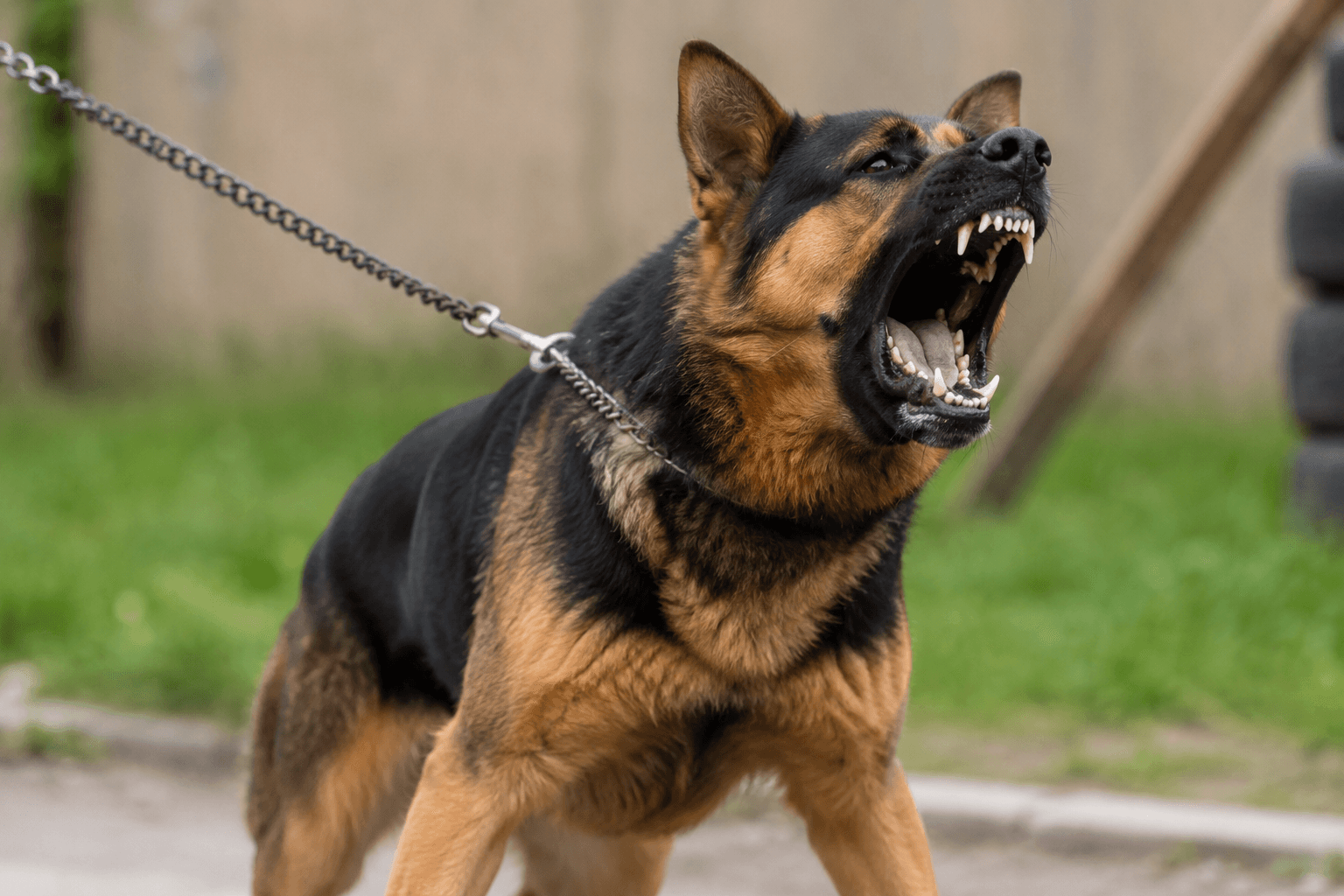
Owners of reactive or aggressive dogs live in a constant state of stress. Walks become exhausting. Guests become a problem. Trips to the vet feel impossible. Some owners stop taking their dog in public entirely because they are afraid of what might happen.
Over time, frustration turns into hopelessness. Friends and family may say the dog is dangerous. Online advice becomes overwhelming and contradictory. Some owners are told their dog is “dominant.” Others are told the dog is “anxious.” Some are told to avoid all correction. Others are told to punish harder. Eventually many people stop knowing who to trust.
Unfortunately, this confusion is one of the reasons so many dogs end up surrendered to shelters or euthanized.
The reality is that most reactive and aggressive dogs are not hopeless cases. In many situations, they are dogs that never learned how to properly cope with the world around them. They are overwhelmed, underprepared, overexcited, fearful, poorly socialized, or unintentionally reinforced for unhealthy behavior patterns. Just as importantly, many owners were never taught how to communicate clearly with their dog in the first place.
This is where good training matters. Not because training creates a “perfect dog,” but because proper guidance can completely change the direction of a dog’s life.
At Huntsman Dog Training, the focus is not simply obedience for obedience’s sake. The goal is to build communication, structure, accountability, and trust between owners and their dogs. That relationship is often the deciding factor between a dog that continues spiraling into dangerous behavior and a dog that learns how to live calmly and safely with the people who love them.
Reactivity and Aggression Are Not Always the Same Thing
One of the first misunderstandings in dog behavior is the belief that reactivity and aggression are identical. They can overlap, but they are not always the same issue.
A reactive dog is a dog that responds excessively to certain triggers. This may include:
Barking at dogs on walks
Lunging at strangers
Going after bicycles or cars
Overreacting when guests enter the home
Many reactive dogs are emotionally overwhelmed rather than intentionally trying to harm something.
Aggression is different. Aggression involves behavior intended to threaten, intimidate, or potentially cause harm. This may include:
Biting
Snapping
Air snapping
Resource guarding
Territorial behavior
Redirected aggression
Serious dog fights
The important thing to understand is that reactivity often becomes aggression when left unmanaged for long periods of time.
A dog that spends years rehearsing explosive behavior builds powerful habits. Neural pathways strengthen through repetition. The behavior becomes more efficient and more intense. Over time, the dog may stop warning entirely and move directly into aggressive action.
This is one reason early intervention matters so much.
The Role of Socialization
Poor socialization is one of the biggest contributors to severe reactivity.
Unfortunately, socialization is also one of the most misunderstood concepts in dog training.
Many people think socialization means letting puppies meet as many dogs and people as possible. In reality, proper socialization is not about quantity of interaction. It is about quality of exposure.
A well-socialized dog learns:
How to remain neutral around stimulation
How to recover from stress
How to exist calmly in different environments
How to disengage from distractions
How to regulate excitement and frustration
This is very different from a dog that believes every dog, person, or environment requires an emotional reaction.
A common mistake owners make is encouraging overexcitement in puppies because it appears friendly or cute. A puppy that drags its owner toward every dog at the park is often rewarded with interaction. The puppy learns that emotional intensity leads to access.
Years later, the same dog may become frustrated when denied interaction. That frustration can evolve into barking, lunging, or even aggression.
Another common issue is isolation during critical developmental periods. Some dogs receive almost no exposure to the outside world during puppyhood. Then, once behavioral issues appear, owners suddenly expect the dog to navigate busy environments confidently.
Dogs cannot learn emotional stability without experience.
This does not mean owners should flood fearful dogs with overwhelming situations. Exposure without guidance can make problems worse. Socialization should be structured, controlled, and intentional.
The goal is calm neutrality, not uncontrolled excitement.
Fear Is Often Hidden Beneath Aggression
One of the biggest mistakes people make is assuming aggressive dogs are confident.
Many aggressive dogs are actually deeply insecure.
Fear-based behavior can look intimidating because dogs use distance-increasing behaviors to create safety. Barking, lunging, growling, and snapping often function as tools to make threats go away.
If the behavior works, the dog learns to repeat it.
For example, imagine a dog that barks aggressively at strangers during walks. The stranger becomes uncomfortable and walks away. From the dog’s perspective, the aggressive display successfully removed the threat.
The behavior has now been reinforced.
This cycle repeats until the reaction becomes automatic.
Owners often unintentionally reinforce these behaviors as well. Pulling the leash tight, panicking, yelling, or immediately retreating can confirm to the dog that something truly dangerous is happening.
Dogs are constantly reading human behavior. Nervous handling frequently creates more nervous dogs.
This is why owner education is such an important part of rehabilitation. Training is rarely just about changing the dog. It is about changing the communication between dog and handler.
The Problem With Avoidance
Avoidance feels good in the short term.
If a dog reacts badly to other dogs, it seems logical to stop exposing them to other dogs entirely. If a dog struggles with strangers, owners often isolate the dog from visitors. While management is important, total avoidance creates another problem.
Dogs do not learn emotional skills in a vacuum.
Without structured exposure and guided practice, many dogs become more sensitive over time rather than less sensitive.
This does not mean owners should throw reactive dogs into chaotic dog parks or crowded stores. Flooding a struggling dog with stimulation can be extremely damaging. However, carefully controlled exposure is often necessary for progress.
The dog must learn:
How to stay calm under threshold
How to disengage from triggers
How to redirect focus to the handler
How to recover after stress
How to coexist peacefully without emotional escalation
This process takes time. There are no shortcuts.
Why Obedience Matters More Than People Think
Some people hear the word obedience and assume it simply means teaching commands.
In reality, obedience creates communication pathways.
A dog that understands place, heel, recall, down, and leash pressure gains structure. These commands help owners interrupt unhealthy behavior patterns before escalation occurs.
For example:
A structured heel can reduce scanning and fixation during walks
A place command can help prevent chaos when guests enter the home
Reliable recall creates safety and accountability
Threshold manners reduce impulsive behavior
Obedience also changes the dog-owner relationship itself.
Many reactive dogs live in a constant state of decision-making. They determine where to move, what to focus on, when to react, and how to respond. Clear structure relieves some of this pressure.
Contrary to popular internet narratives, structure is not cruel. Boundaries are not abusive. Dogs thrive when communication becomes clear and predictable.
This is one reason balanced training approaches can be highly effective when implemented correctly and humanely. Positive reinforcement is extremely valuable and should absolutely be part of training, but many dogs also benefit from clear accountability and fair consequences once they fully understand expectations.
The goal should never be intimidation or suppression. The goal is communication.
Common Triggers for Reactivity
Reactivity rarely appears randomly. Most dogs develop predictable trigger patterns.
Some of the most common include:
Leash Frustration
Dogs often behave differently on leash than off leash. Restricted movement creates frustration and tension. Tight leash handling from owners can also increase stress.
Lack of Neutral Socialization
Dogs that only experience high-energy greetings often struggle to remain calm around other dogs.
Genetics
Genetics matter. Some dogs are naturally more nervous, sensitive, defensive, or intense than others. Training can improve these tendencies, but genetics should not be ignored.
Inconsistent Rules
Dogs become confused when expectations constantly change. One day jumping is allowed. The next day it is punished. One family member reinforces calm behavior while another encourages excitement.
Consistency matters.
Chronic Stress
Many reactive dogs live in a constant state of overstimulation. Lack of sleep, constant excitement, excessive freedom, chaotic homes, and insufficient structure all contribute to elevated stress levels.
Owner Anxiety
Dogs are highly perceptive. Nervous handling often creates nervous behavior.
What Owners Can Start Doing Immediately
While severe aggression cases should involve professional guidance, there are several things owners can begin implementing right away.
Stop Allowing Rehearsal of the Behavior
Every uncontrolled reaction strengthens the habit.
If a dog explodes at the window all day, practices leash reactivity daily, or constantly rehearses territorial behavior, improvement becomes much harder.
Management matters.
Block windows if necessary. Avoid chaotic environments temporarily. Create calmer routines.
Focus on Calmness, Not Exhaustion
Many owners believe reactive dogs simply need more exercise.
Exercise is important, but overstimulation is not rehabilitation.
Some dogs benefit more from structured decompression walks, obedience work, place training, and calm coexistence than endless high-energy activity.
Reward Neutrality
Owners often accidentally reward excitement instead of calm behavior.
A dog does not always need to sit perfectly or stare at the owner constantly. Sometimes success simply means the dog notices a trigger and remains emotionally stable.
That neutrality should be reinforced.
Learn Proper Leash Handling
Leash tension communicates emotion. Tight, nervous leash handling often increases arousal.
Good leash work is calm, intentional, and clear.
Seek Help Earlier
One of the saddest patterns in dog training is how long owners wait before asking for help.
Many people spend years struggling alone because they feel embarrassed or ashamed. By the time they contact a trainer, the behavior has become deeply ingrained.
There is no shame in getting professional guidance.
In fact, seeking help early is one of the most responsible things an owner can do.
The Human Side of Reactive Dogs
Living with a reactive or aggressive dog can be emotionally exhausting.
Owners often feel isolated. Walks become stressful. Relationships become strained. Some people stop inviting friends over. Others become afraid their dog will hurt another animal or person.
Many genuinely love their dogs but begin wondering whether keeping them is even possible.
This is where compassion matters.
Not every reactive dog came from abuse. Not every struggling owner is irresponsible. Sometimes people simply receive bad information. Sometimes they underestimate the importance of early socialization. Sometimes life becomes busy and behaviors gradually escalate before anyone realizes how serious they have become.
Condemning owners rarely solves anything.
Education does.
When owners receive proper guidance, many dogs that once seemed impossible become manageable, stable companions.
Not perfect. Not robotic. But safe, functional, and capable of living fulfilling lives with their families.
That outcome matters.
Because every dog that successfully stays in a home is one less dog entering an already overwhelmed shelter system.
There Is Usually More Hope Than People Realize
Severe reactivity and aggression should always be taken seriously. Some cases require extensive management. Some dogs will never become dog-park dogs. Some will always need careful handling around triggers.
But improvement is often possible.
Dogs are incredibly adaptable animals when communication becomes clear and training becomes consistent.
The biggest mistake owners can make is assuming the situation is hopeless before pursuing real education and structured rehabilitation.
A dog struggling with aggression is not automatically a bad dog.
In many cases, it is a dog that never fully learned how to navigate the world safely.
That is why training matters.
Not because every dog needs perfect obedience, but because every dog deserves the opportunity to succeed in the home that loves them.
Huntsman Dog Training’s philosophy centers around this exact idea: strengthening the relationship between owner and dog through clear communication, balanced training, accountability, and trust. Their focus on behavior modification, owner education, and long-term results reflects a larger truth within canine rehabilitation: most dogs are far more capable of change than people think.